PTE Core speaking tips: Read Aloud, Repeat Sentence, Describe Image and every task
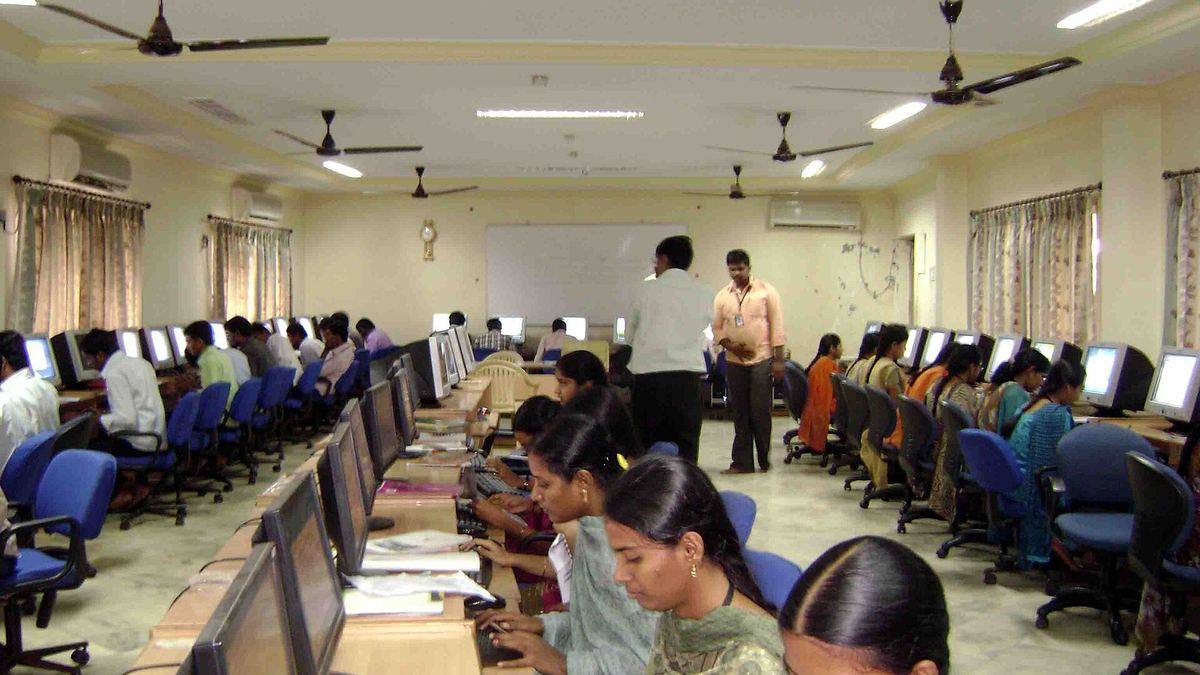
PTE Core speaking is recorded at a computer and scored by an automated system trained on human ratings. That changes how you should speak: the system listens for pronunciation, fluency and content, and a long pause or a restart costs more than a small grammar slip. Five task types are scored for speaking, and three of them also count for another skill. This guide takes each in turn, with the scoring from Pearson's PTE Core Score Guide (January 2026) and a method you can practise.
The five speaking tasks at a glance
| Task | How many | Also counts for | Scored on |
|---|---|---|---|
| Read Aloud | 6–7 | Reading | Content (words read correctly), pronunciation, fluency |
| Repeat Sentence | 10–12 | Listening | Content (words repeated in order), pronunciation, fluency |
| Describe Image | 3–4 | Content, pronunciation, fluency | |
| Respond to a Situation | 2–4 | Appropriacy, pronunciation, fluency | |
| Answer Short Question | 5–6 | Listening | Right or wrong |
A short personal introduction comes first and is not scored. Repeat Sentence is the task you will see most often, 10 to 12 times, so it is worth the most practice time.
Pronunciation and fluency: what the scorer hears
Pronunciation and fluency are each rated from 0 to 5 on most speaking tasks. In practice:
- Keep going. A hesitation or a repeated word lowers fluency. If you make a mistake, carry on; do not go back.
- Speak at a natural, even speed. Too fast loses pronunciation marks; too slow, with gaps, loses fluency.
- Group words into phrases and stress the important ones, as you would when reading a notice aloud to a colleague.
- Start when the recording opens. Use the preparation time to plan, then begin promptly, without a long silence at the start.
Read Aloud (6–7 tasks)
A text of up to 60 words; 30 to 40 seconds to prepare. Every word replaced, left out or added counts as a content error.
Method: in the preparation time, read the text silently and mark in your head where the natural pauses fall (at commas, full stops and after long subjects). Say any difficult word under your breath once. Then read at a steady pace, phrase by phrase. Numbers and times ("half past three", "the 14th") are read as people say them.
Repeat Sentence (10–12 tasks)
You hear a sentence once and repeat it word for word. Pearson's content scale: 3 for every word in order, 2 for at least half, 1 for under half, 0 for almost nothing.
Method: do not try to remember single words; remember the meaning and the rhythm, then rebuild the sentence. If you lose the end, say the part you have with good fluency: half the words fluently scores better than all the words with long pauses. Practise with short everyday sentences, such as station announcements and workplace instructions, and build up to longer ones.
Describe Image (3–4 tasks)
A chart, graph, table, map, picture or process. Pearson's format page gives 25 seconds to prepare and 40 seconds to speak in its sample. Content is scored 0 to 5: the top band describes all the elements and how they relate, with a development, conclusion or implication.
A 40-second frame that works on any image:
- What it is (5 seconds): "This bar chart shows how many people used the city's three pools each month last year."
- The main feature (10 seconds): the highest, the lowest, the biggest change.
- Two or three details (15 seconds): figures, comparisons, the order of a process.
- A conclusion (5 seconds): "Overall, the outdoor pool was busiest in summer, while the others stayed steady."
Pearson notes that memorised material that does not deal with the prompt scores 0 for content, so use the frame, not a script.
Respond to a Situation (2–4 tasks)
You read and hear an everyday situation, then have 20 seconds to prepare and 40 seconds to speak. It is scored on appropriacy (does your answer do what the situation needs, such as apologise, request, explain or suggest, in a suitable tone?) as well as pronunciation and fluency.
Method: in 20 seconds decide three things: who you are speaking to (a manager, a neighbour, a customer), what you need to achieve, and one reason or detail. Then:
- Greet and say why you are speaking.
- Explain the situation in one or two sentences.
- Ask for or offer what is needed, politely.
- Close: thank them or suggest a next step.
Example situation, written for this guide: You booked a room at a community centre for a birthday party, but the date clashes with your child's school concert. Call the centre. A strong answer greets, explains the clash, asks to move the booking to the following Saturday or for a refund, and thanks them.
Answer Short Question (5–6 tasks)
A short spoken question with a one- or few-word answer: "What do we call the season after summer?" Scored right or wrong, for listening and speaking. Answer immediately in a word or two; a full sentence is not needed.
A weekly practice plan
| Day | Practice |
|---|---|
| 1, 3, 5 | 10 Repeat Sentence, 5 Read Aloud; record yourself and listen back for pauses |
| 2, 4 | 3 Describe Image with the four-step frame, 2 Respond to a Situation, timed |
| 6 | One full PTE Core mock test, timed |
| 7 | Rest, or replay your recordings from the mock |
Our mock tests include all five speaking task types with preparation and speaking timers, and a checklist to rate your own recordings. To see what speaking score you need, use the PTE Core to CLB chart: CLB 7 needs Speaking 68, CLB 9 needs 84.
Useful links
- PTE Core Speaking and Writing format (pearsonpte.com)
- PTE Core Score Guide, January 2026 (pearsonpte.com, PDF)
- Free PTE Core mock tests
- PTE Core syllabus
- PTE Core writing: Write Email and Summarize Written Text
- PTE Core score to CLB chart
Frequently asked questions
Which PTE Core speaking task is most important?
Repeat Sentence: it appears 10 to 12 times and counts for both listening and speaking.
Does accent matter in PTE Core speaking?
Pearson's criteria rate pronunciation by how easily your speech is understood: clear vowels and consonants and correct stress. They do not ask for a particular accent.
What happens if I pause in PTE Core speaking?
Pauses, hesitations and restarts lower your fluency score. Keep speaking, even if you make a mistake.
Can I use a template for Describe Image?
A frame for organising what you say helps. Pearson's guide says memorised material that does not deal with the image scores 0 for content, so describe the actual image.