How to become a Canadian citizen in 2026: every step from eligibility to the oath
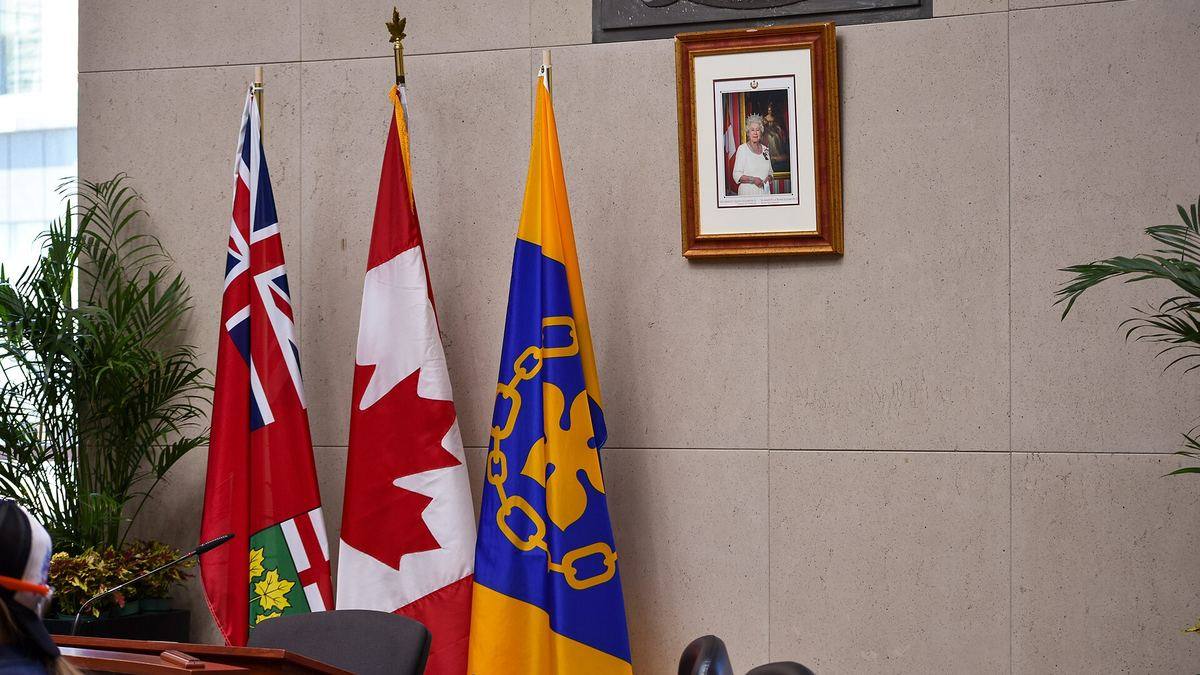
Becoming a Canadian citizen takes six steps: check that you are eligible, gather your proof, apply online and pay, give fingerprints if asked, pass the citizenship test, and take the oath at a ceremony. This guide goes through each one with the figures from Immigration, Refugees and Citizenship Canada (IRCC), read on 22 October 2026. Rules and fees change, so check each figure on the IRCC page linked beside it before you apply. This is general information, not legal advice.
Step 1: check that you are eligible
IRCC lists these requirements for an adult (18 or over):
| Requirement | What IRCC asks |
|---|---|
| Status | Valid permanent resident (PR) status, with no removal order and no unmet PR conditions |
| Physical presence | At least 1,095 days (3 years) in Canada during the 5 years before you sign, including at least 730 days as a permanent resident |
| Income taxes | Filed in Canada for at least 3 of those 5 years, if you had to file |
| Language (ages 18 to 54) | Speaking and listening in English or French at Canadian Language Benchmarks level 4 or higher |
| Knowledge (ages 18 to 54) | Pass the citizenship test |
| Prohibitions | Not under a prohibition, mostly for criminal or security reasons |
Days you spent in Canada as a temporary resident or protected person before you became a permanent resident count as half days, up to 365 days in all. IRCC itself advises applying with more than 1,095 days, in case a day is counted differently. Count your days with IRCC's own physical presence calculator rather than by hand; the link is at the end.
People aged 55 or over do not prove language or take the test.
Step 2: gather your proof
Two things take the longest to collect:
- Your travel history for the five-year period, so the days outside Canada can be counted. Passport stamps, travel records and the calculator's printout help.
- Language proof, if you are 18 to 54. IRCC accepts a diploma, transcript or certificate from a secondary or post-secondary programme taught in English or French, or results from an approved test. Approved tests include CELPIP General, IELTS General Training, PTE Core, TEF Canada and TCF Canada. If you already took one of these for permanent residence, IRCC says those results can be used even if they have expired. Practise for them on PTE Core, CELPIP, TEF Canada or TCF Canada.
Step 3: apply online and pay
Most people apply through IRCC's online citizenship portal: create an account, fill in the forms, upload documents, pay, upload the receipt, then sign and submit. Some applicants must use paper, such as those counting time abroad as a Crown servant.
The adult fee on IRCC's fee list is C$653, which includes the C$123 right of citizenship fee. A child under 18 pays C$100. If an adult application is refused or withdrawn after processing starts, the right of citizenship fee can be refunded.
After you submit you get a confirmation email. That is not yet the start of processing: the acknowledgement of receipt (AOR), with your application number, comes once IRCC finds the application complete. Only then can you check your status online.
Step 4: fingerprints, if asked
IRCC may ask for fingerprints. They must be taken electronically by a local police service, the RCMP or an RCMP-accredited company, and you pay for them. IRCC says it does not accept fingerprints taken at a Service Canada Centre for citizenship.
Step 5: the citizenship test
If you are 18 to 54 when you sign, IRCC invites you to the test after you apply, usually online within 30 days of the invitation. It is 20 questions in 45 minutes, multiple choice or true or false, and you pass with 15. You have three chances; after a third failure you are called to a hearing with an officer. Everything comes from the study guide Discover Canada.
Some applications are picked at random for an interview to check documents and eligibility.
Prepare here: sit the free Canadian citizenship practice test without an account. Each paper is drawn new from our bank and marked by the real pass mark of 15. With a free account, the questions you miss come back for review and the exam page shows your chance of passing. The test guide has the details of the invitation and the online test.
Step 6: the oath ceremony
Most applicants become citizens by taking the oath of citizenship at a ceremony, which IRCC calls the final step. You are invited once your application is approved. The invitation tells you where and when, and what to bring.
Changes ahead
A revised study guide, study materials and test are planned. The Government of Canada says no launch date has been set and that Discover Canada remains the official guide. We will update our questions when the new guide is published.